Synopsis
As sustainability becomes a key pillar of long-term value creation in real estate, CapitaLand Investment (CLI) has developed a proprietary Return on Sustainability (RoS) framework to rigorously assess the financial impact of green capital expenditure.
Designed as a data-driven, decision-making tool, the RoS framework evaluates eight key variables that influence financial performance: green capital expenditure (capex), utility savings, carbon cost reductions, rental premiums, longer leasing durations, lower interest rates, reduced insurance premiums, and enhanced asset valuations. By quantifying both risks and returns, this model equips asset managers with a holistic view of the tangible value that sustainability initiatives can unlock.
More than a reporting metric, the RoS framework serves as a capital allocation compass - guiding decisions on investment, asset-level budgets, cost-benefit analysis for asset enhancement initiatives or redevelopments. In an environment where regulatory standards, investor expectations, and climate resilience are evolving rapidly, having a structured methodology to assess the financial case for sustainable investments is not just prudent - it is essential. CLI’s RoS framework bridges the gap between environmental responsibility and financial accountability, ensuring that decisions around sustainability are grounded in both environmental intent and financial discipline.
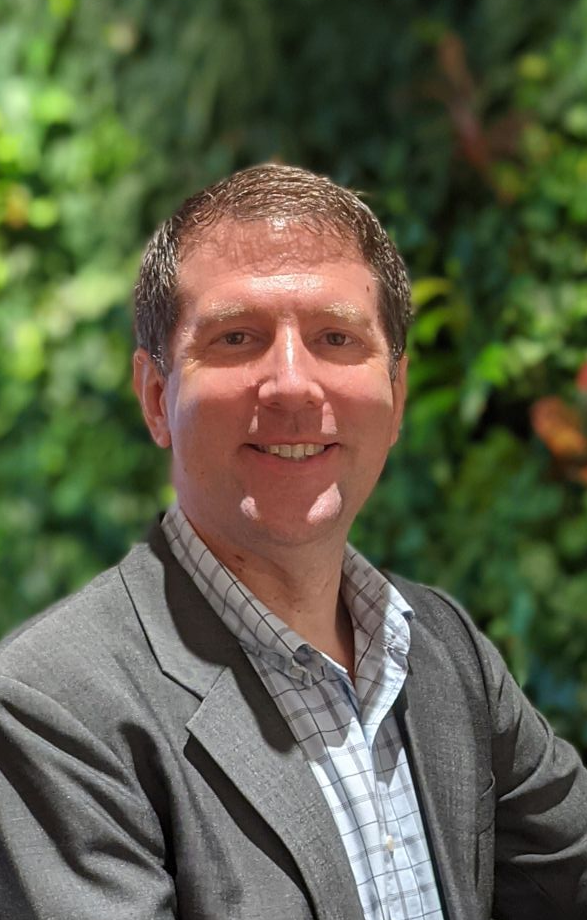
Trainer ProfileTed is a Vice President in Group Sustainability at CapitaLand Investment (CLI) leading the Environmental Management & Innovation team. He is a registered Professional Engineer (Civil; Massachusetts, USA) and Singapore Permanent Resident holding both Masters’ & Bachelors’ degrees in Civil & Environmental Engineering from Stanford University. He previously led innovation, certification (Green Mark, LEAF, SITES), and Operational Environmental Monitoring & Management Plan in addition to being a Subject Matter Expert in ventilation & thermal comfort, water treatment, water recycling, and wastewater treatment.
At CapitaLand, he focuses on meeting the CLI 2030 Sustainability Master Plan targets through innovation and technology, sourced from platforms such as the CapitaLand Sustainability X Challenge. He enjoys sharing what he has learned from globally piloting technologies focusing on renewable energy, low carbon materials, energy efficiency, software-as-a-service, water efficiency, waste management and circularity, and wellness in buildings from throughout CapitaLand’s global holdings in panels, fireside chats, talks, and the occasional podcasts. His team also assesses and evaluates the physical climate risks facing CapitaLand and its investments through an Environmental and Social Impact Assessment (ESIA) process.